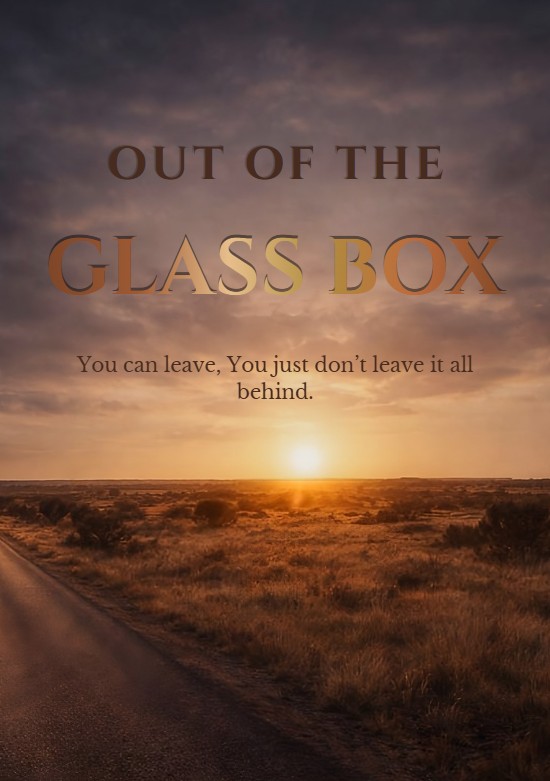
When routine ends, life begins
A debut memoir that earns its place on the shelf — raw, funny, honest, and quietly unforgettable.
At twenty-four, Phil Rodgers packed a backpack, boarded a flight to Bangkok, and walked away from the life he thought he was supposed to live. What followed was twelve months of heat, chaos, beauty, and occasional terror — from the neon-lit streets of Thailand and the jungle highlands of Malaysia, to fruit-picking under the brutal Australian sun and the pristine silence of New Zealand's Southern Alps.
Out of the Glass Box is the memoir that year eventually became — shaped from journals kept close to the moment, honest about the difficulty, and never pretending the adventure was anything other than hard-won.
What distinguishes this from the crowded shelf of gap-year memoirs is prose that consistently rewards attention. Rodgers doesn't over-explain. He doesn't reach for poetry when plain observation does better. And when the emotion finally arrives — it genuinely lands.
"The most confining boxes in life are the invisible ones. Rodgers names this with disarming clarity — and then spends a year proving it."
Rodgers writes with the confidence of someone who has internalised rather than performed a style. Bangkok doesn't arrive as a vague impression — it hits: cooking oil, neon, motorbike heat on your legs. Lines like "Sixteen kilometres for a cup of tea" land because he lets them land alone. The restraint is a choice, and it consistently pays off.
Rodgers doesn't edit out the difficult parts. Sarah cries on the first night in Bangkok. The bellboy tip humiliation stings. Money runs out in the wrong places. This refusal to sand down the edges makes the book more trustworthy — and the moments of genuine joy feel earned rather than manufactured.
The gap-year adventure is the frame. The real story is about a son who left before fully understanding how much his mother needed him, and came home carrying the weight of that. It's handled with enormous tact — no melodrama, no self-flagellation — which makes it far more affecting than explicit treatment ever could.
It begins at Heathrow with a round-the-world ticket, two oversized backpacks, and just over ten grand between two people. The last moment of normal. The last chance to back out without explaining yourself to the entire planet.
Sensory overload from the first breath — motorbikes, frying oil, neon, and heat. The islands of Koh Tao and Koh Phangan. Whisky buckets and Point Break on a projector screen facing the sea. Freedom on screen, freedom underfoot.
Cool air in the highlands. Tea plantations carved into hillsides. A cocker spaniel called Scooby. Sixteen kilometres walked for a single cup of tea — and worth every step.
The long continent. A campervan called Huey held together by optimism and a thirty-nine dollar battery. Fruit-picking in the heat. The Reef. Uluru at dawn. Learning that the excuses run out when you have no choice but to deal with what's in front of you.
Steam and stars in Rotorua. The Southern Alps. The quiet that arrives after enough noise. The trip crossing a line — not over, but turning. We weren't travelling anymore. We were winding down.
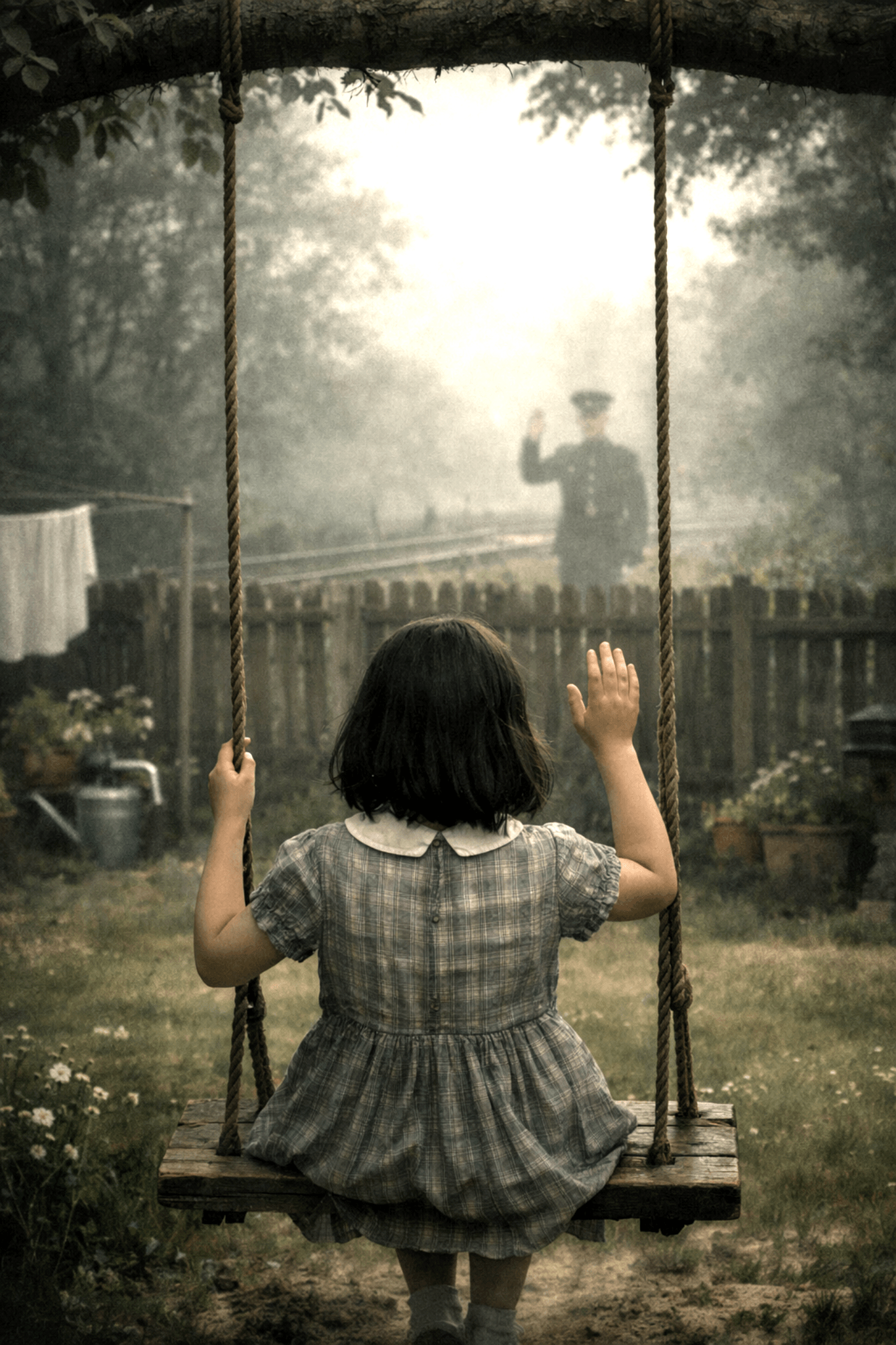
Roll-up cigarettes and loose tobacco filling the air. A cat that padded down the hall like he'd never left. A door handle. A year earlier I'd closed a different door. Now I was standing here again, trying to remember what it felt like to belong inside it.
Out of the Glass Box is more assured than most self-published debut memoirs have any right to be. The prose is clean and confident, the central metaphor earns its keep, and the emotional architecture — built quietly across two hundred pages — delivers a homecoming that genuinely moves.
Rodgers writes like someone who has something to say and has learned, mostly, how to say it. He doesn't pretend readiness. He doesn't curate the experience into something prettier than it was. That combination — honesty plus craft — is rarer than it should be, and it's what elevates this beyond the gap-year shelf.
This is a book worth a stranger's time. Which is the only test that matters.